


Tour to Trincomalee Mannar
We began our drive from Anuradhapura to Trincomalee at 8 am, passing through Sri Lanka’s cultural and natural heartland. We passed through small villages, lush paddy fields, and ancient Buddhist sites. Along the way, we passed Mahakandarawa Tank Road, which runs through one of the historic reservoirs in the Anuradhapura region. We enjoyed the serene views of the water and surrounding wetlands, which host a great number of wildlife. We drove through lush forests, and the journey was scenic and culturally rich. Entering the outskirts of Trincomalee, we observed many cattle spread out along the road and the roadside, which we hadn’t seen much of thus far.
We arrived at our next accommodation in Trincomalee, Hotel Tobiko, located along the Uppaveli Beach stretch. Grandma had stayed here before with a good friend on a past trip, and the owners were very happy to see her again. We enjoyed strolling on the beach, which was only steps away from our accommodation. It was very hot, and the sun was glaring down on us, but we thoroughly enjoyed the charm of the beach.
Uppaveli Beach
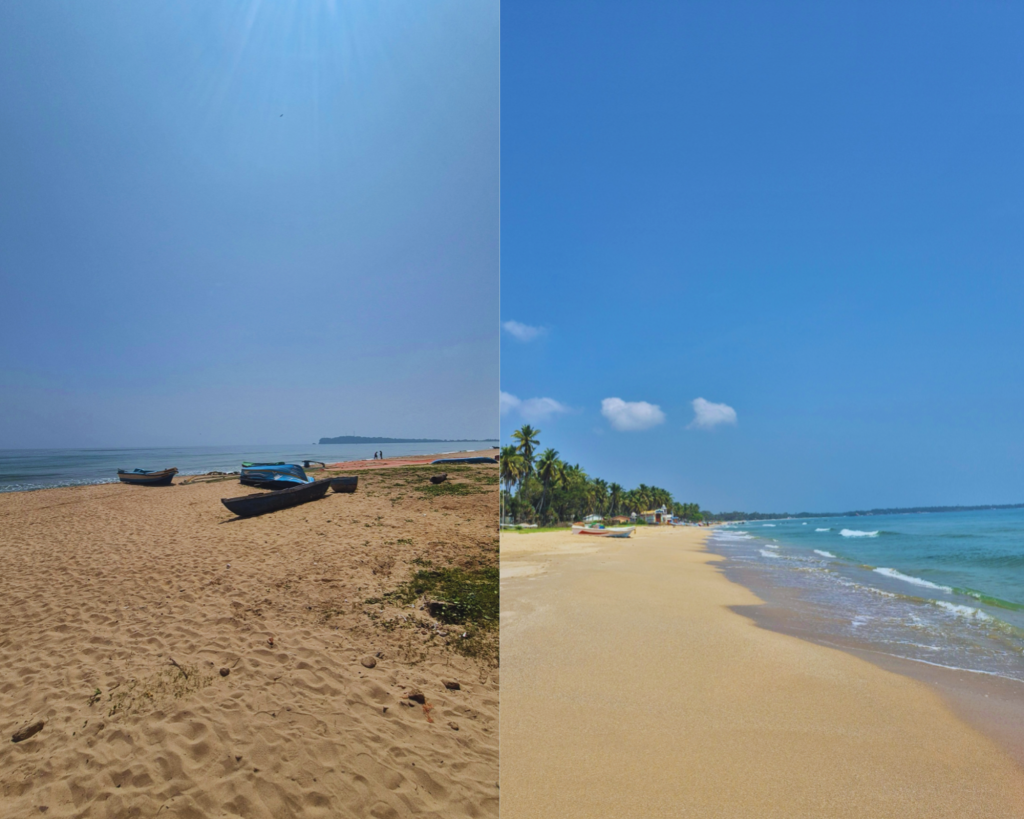
Many fishing boats dotted the golden-sand shoreline, and the fishermen were very friendly. I even helped a few of them pull a boat into the water- the sense of community was very strong here in Trincomalee.
After escaping the sun’s ruthless rays, we decided to visit Thirukoneswaram Kovil, a historic Hindu temple on a cliff overlooking the Indian Ocean. There is clear spiritual significance, stunning sea views, and a strong association with ancient Tamil culture and maritime history. The temple is a symbol of devotion and heritage in the region.
Thirukoneswaram Kovil Temple
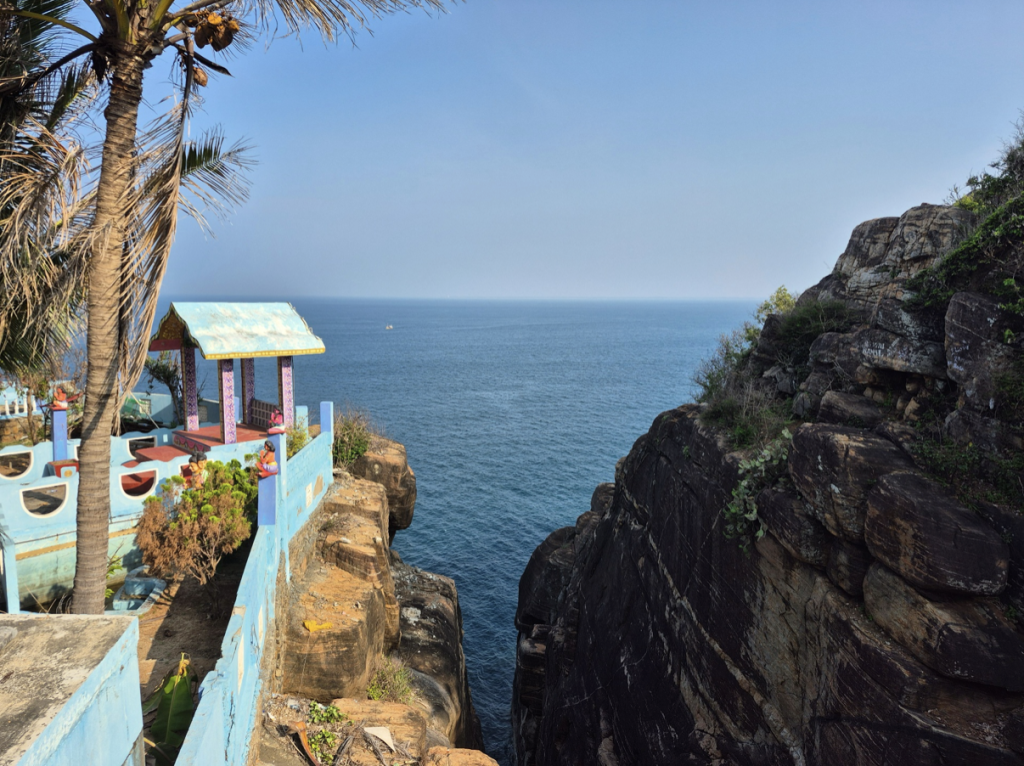
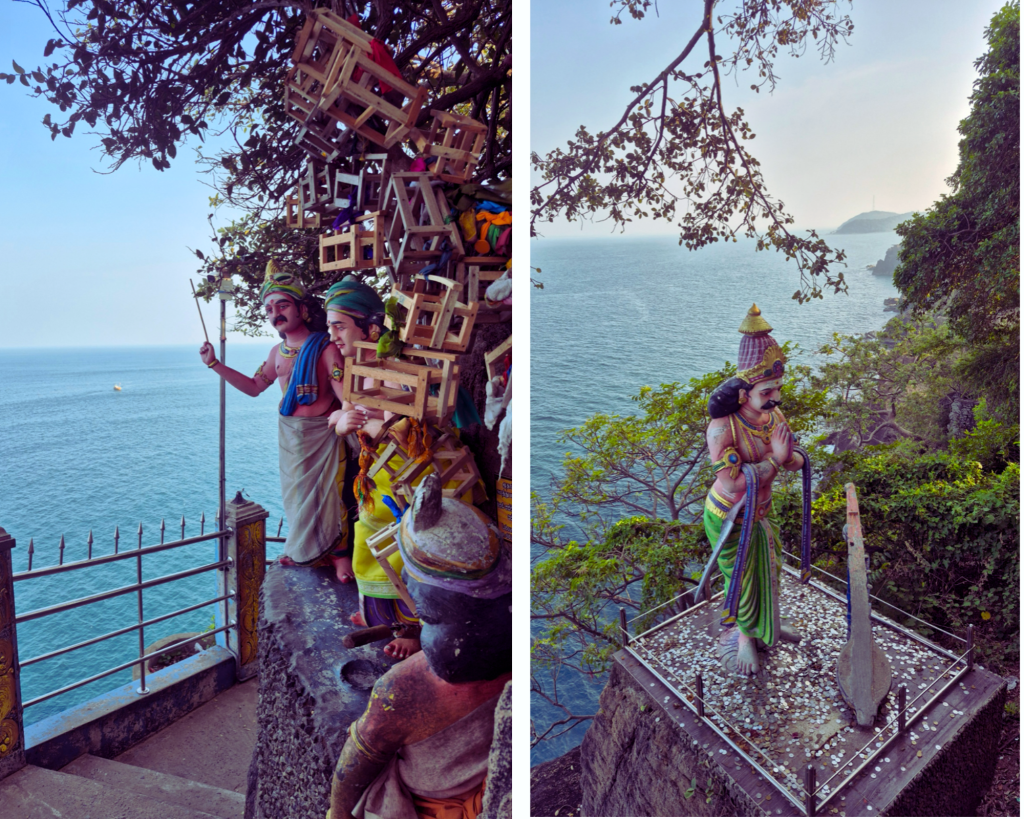
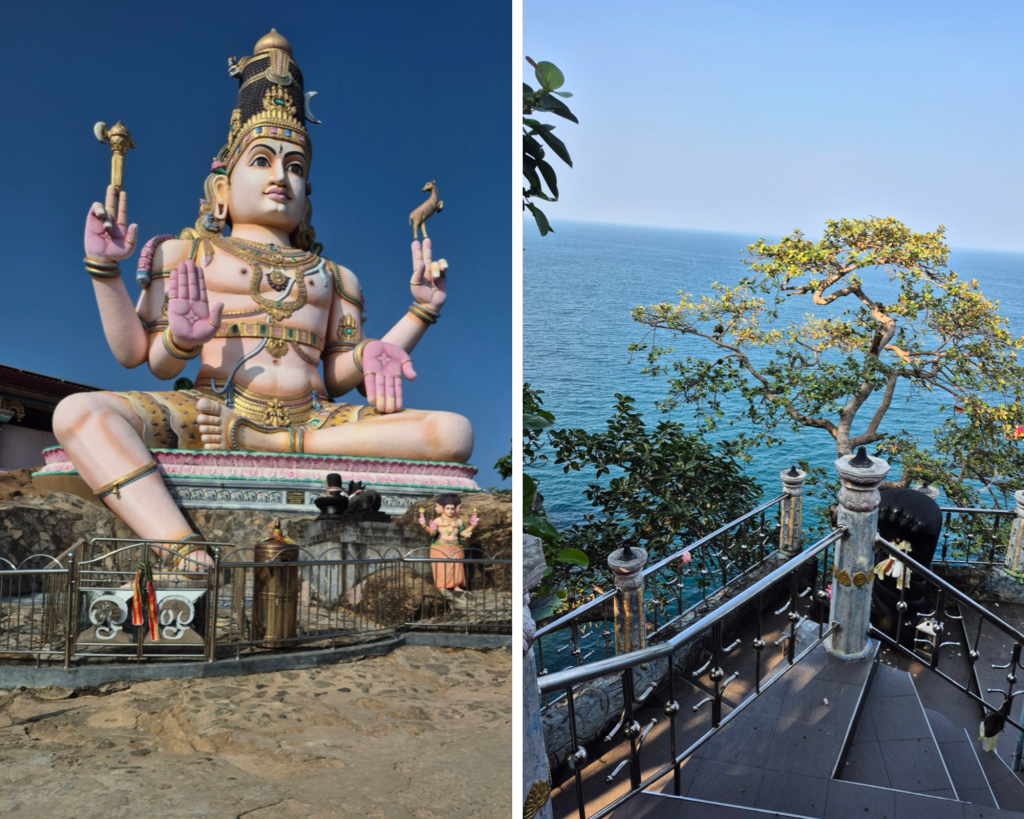
After our endeavors, we asked our tuk-tuk driver to bring us to a nice restaurant on the beachside. He did not disappoint, bringing us to Snack Bar Hawaii, where we had the most delicious Mango Coconut Chicken Curry. We truly savored every last bite.
From there, we walked along the beach back towards our accommodation. We observed many community members hauling in a massive net, so we decided to have a seat on the sand and see what the night’s catch was. After about an hour of pulling in the nets, they all cheered and came together, very happy that their efforts had paid off.
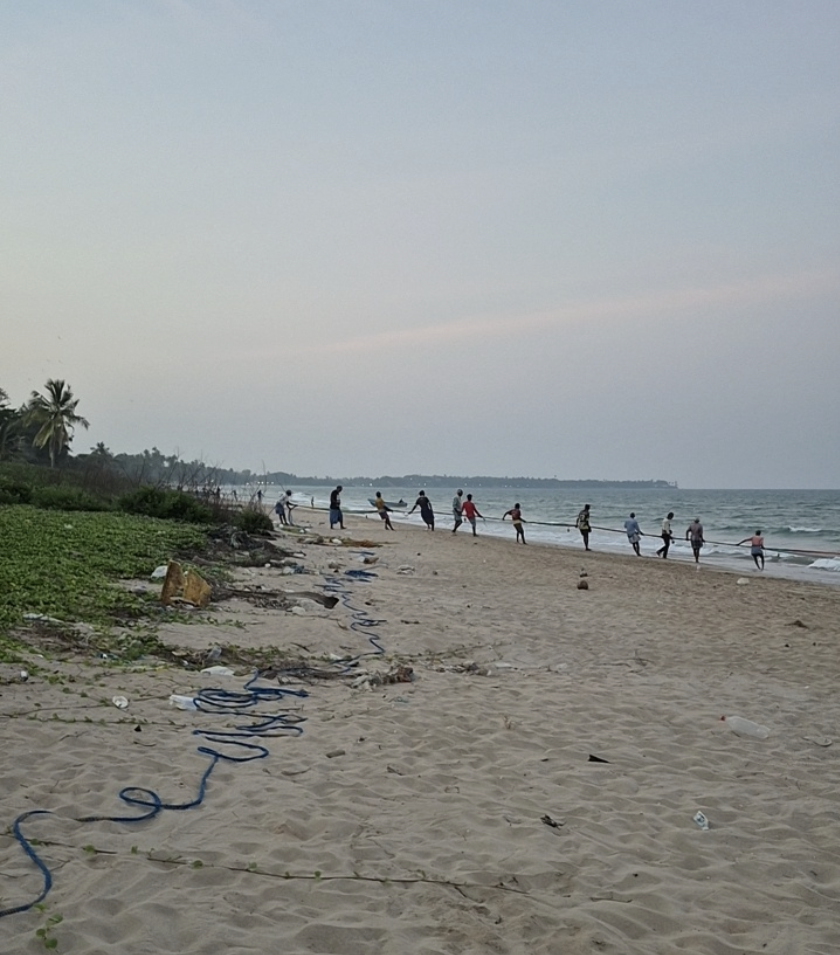
As previously mentioned, it was heartwarming to see the strong sense of community amongst the fishermen and locals.
The next day, we were up at 7.30 am, and greeted with a delicious breakfast at Tobiko consisting of fresh juice, Dal, Coconut sambol, roti, and bread with butter and jam. It was perfect fuel for the day’s adventure.
The snorkeling tour
I booked a snorkeling tour, hoping to observe and film black-tip reef sharks and sea turtles at Angel Rock. Grandma was not overly interested at first, but I urged her to come along on the boat ride. The ocean was quite rough this day, making for a very bumpy boat ride! She initially seemed to have regret coming along.😁
Once we arrived at our destination, Angel Rock, I jumped into the water with our tour guide, and Grandma stayed in the boat with his helper.
Now I don’t want to turn this negative, because it was a wonderful experience overall, but areas around Angel Rock have experienced coral degradation. It could be due to various factors, such as bleaching from rising temperatures, human activity, and anchor damage from boats.
While some sections of the reef remain vibrant, I observed patches of dead or weakened coral. This strongly highlights the need for careful conservation and responsible tourism to protect the underwater ecosystem.
Despite that, I observed many reef-dwelling species, such as Needlefish, Triggerfish, Butterflyfish, Parrotfish, Damselfish, Angelfish, Surgeonfish, and Wrasses. There were also schools of Striated Fusiliers and Snubnose Darts.
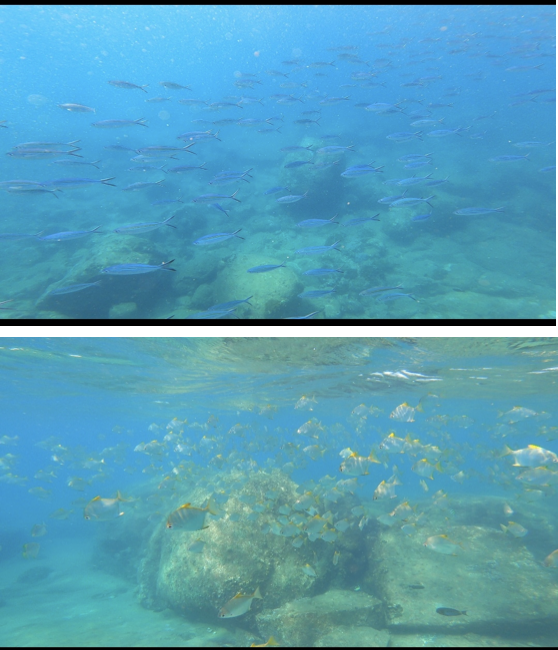
Unfortunately, I did not see any Black-Tipped reef sharks… but I see it as an excuse to return another time.
Upon returning to the boat, Grandma enthusiastically reported that they, too, had seen many colorful fish approaching the boat. They spent the time baiting them coconut cookies.
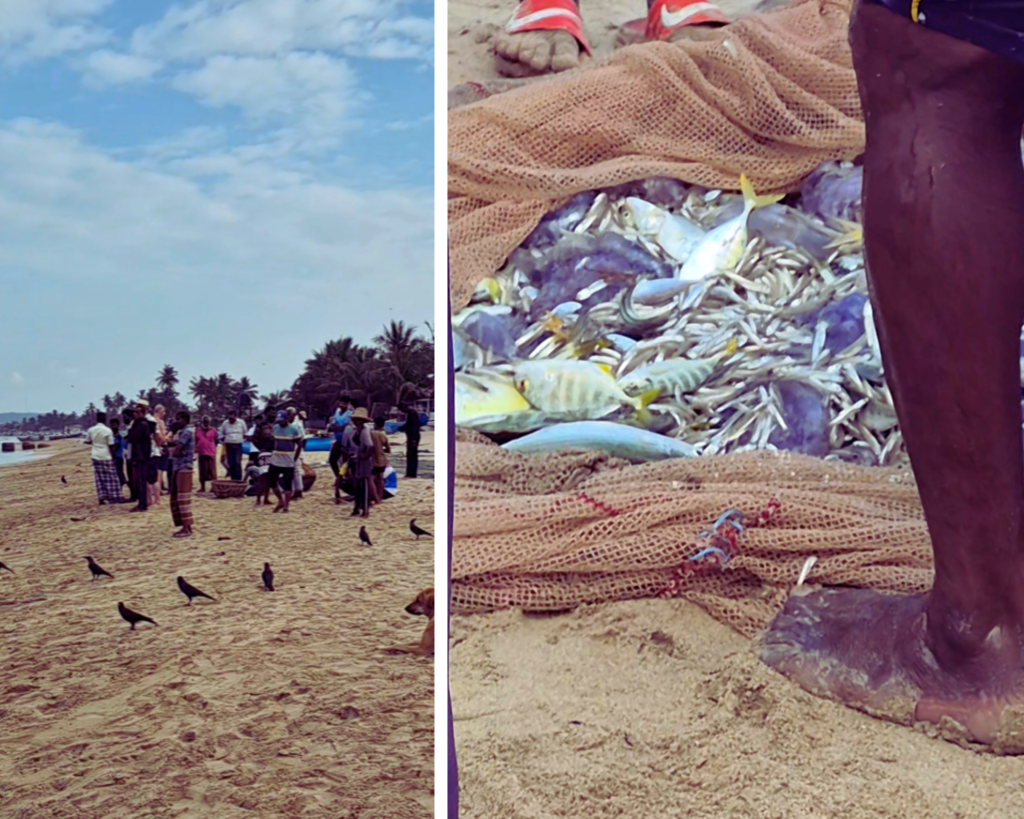
We spent the rest of our time in Trincomalee observing the fishermen working tirelessly and the locals keenly awaiting to see what would be pulled in and to purchase the freshest fish you can possibly get, straight from the ocean.
Our next leg of the journey would be towards Mannar. Thankfully, the owner of Tobkio had a car and was more than happy to take us to our next destination.
Toward Mannar District in the Northern Province.
We traveled across the Eastern Province towards the Mannar District in the Northern Province.
The drive took us through quiet stretches of Sri Lanka’s north and east. The landscape subtly shifted from coastal views to dry plains dominated by palmyra trees. Along the way, we passed small villages and lagoons, vastly different from what I had seen in the first part of my trip in the Central and Southern provinces.
Every so often, the stillness was broken by the sight of wild donkeys wandering along the roadside as we approached Mannar. The journey was peaceful and had a slightly remote feel.
Upon arrival in Mannar Island, the remote feel was very apparent. We would stay at Donkey Clinic and Education Center, located in the middle of nowhere😬
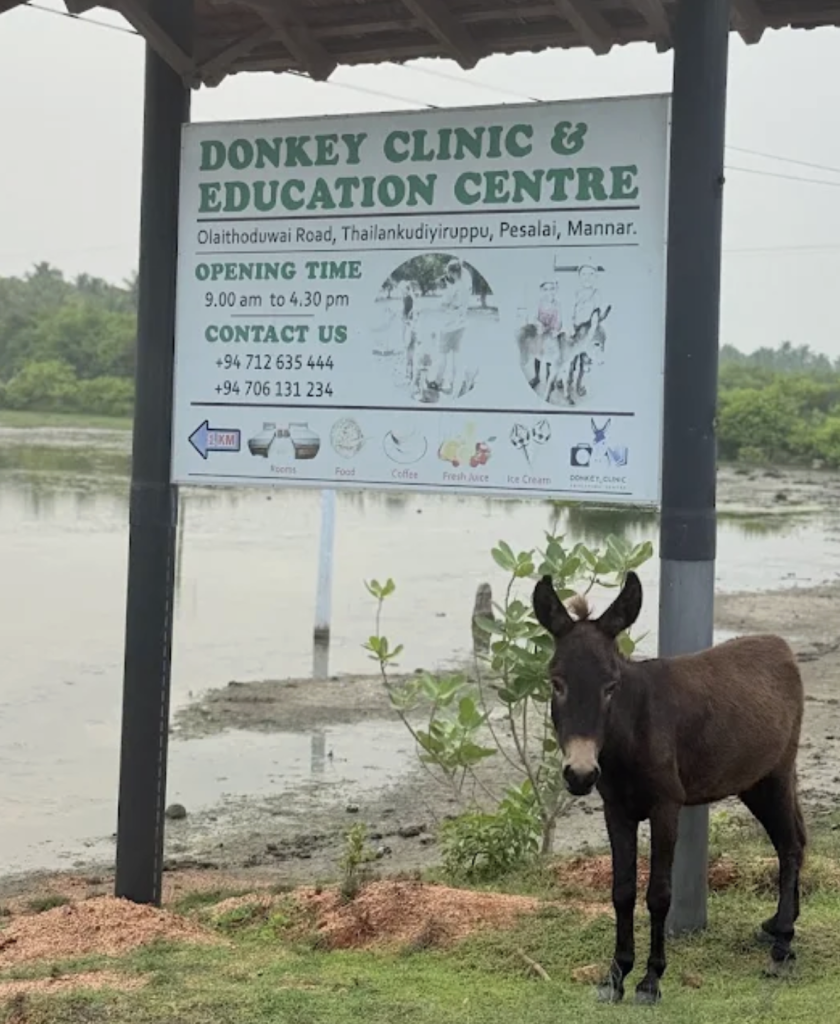
It is a small, family-run sanctuary focused on rehabilitating injured donkeys and educating the community about these interesting creatures.
The sanctuary manager took us on a brief tour of Mannar Island.
Tour of Mannar Island.
At the northwestern tip stands the Talaimannar Lighthouse, a significant structure that has guided vessels through the waters between Sri Lanka and India.
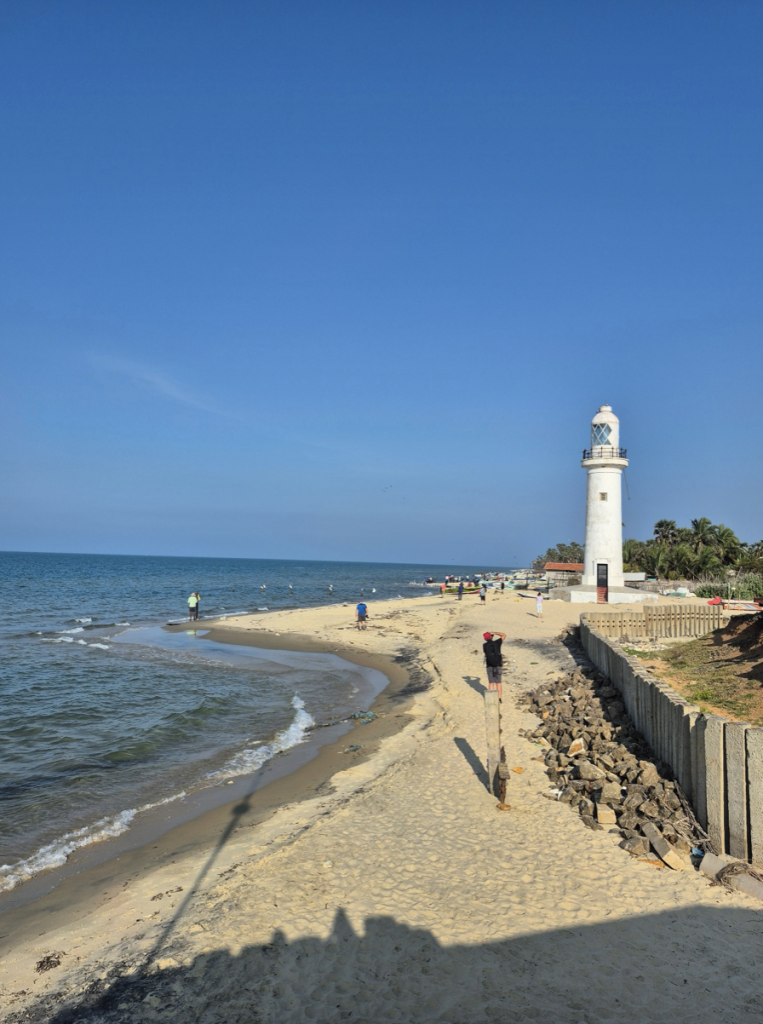
Under British colonial rule, a railway line was extended to Talaimannar as part of a transit route linking Sri Lanka to India through ferry connections. The transit system is connected to the Indian rail networks through this corridor. However, the line fell into disuse after the ferry service ceased operation and was further damaged during Sri Lanka’s civil war.
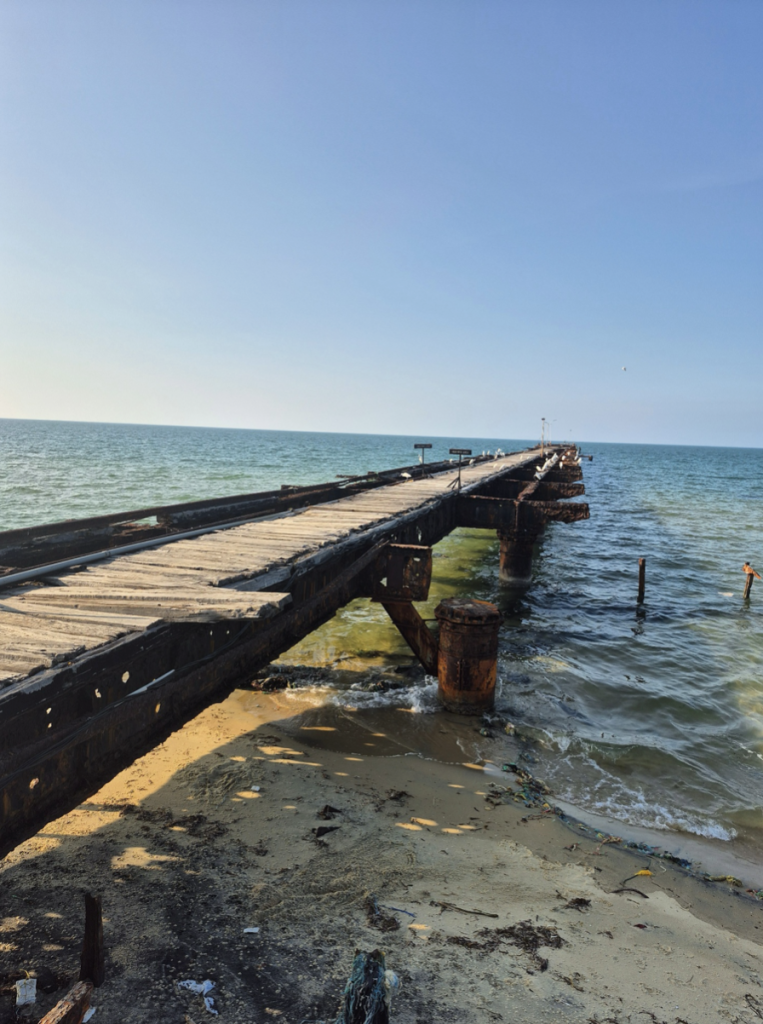
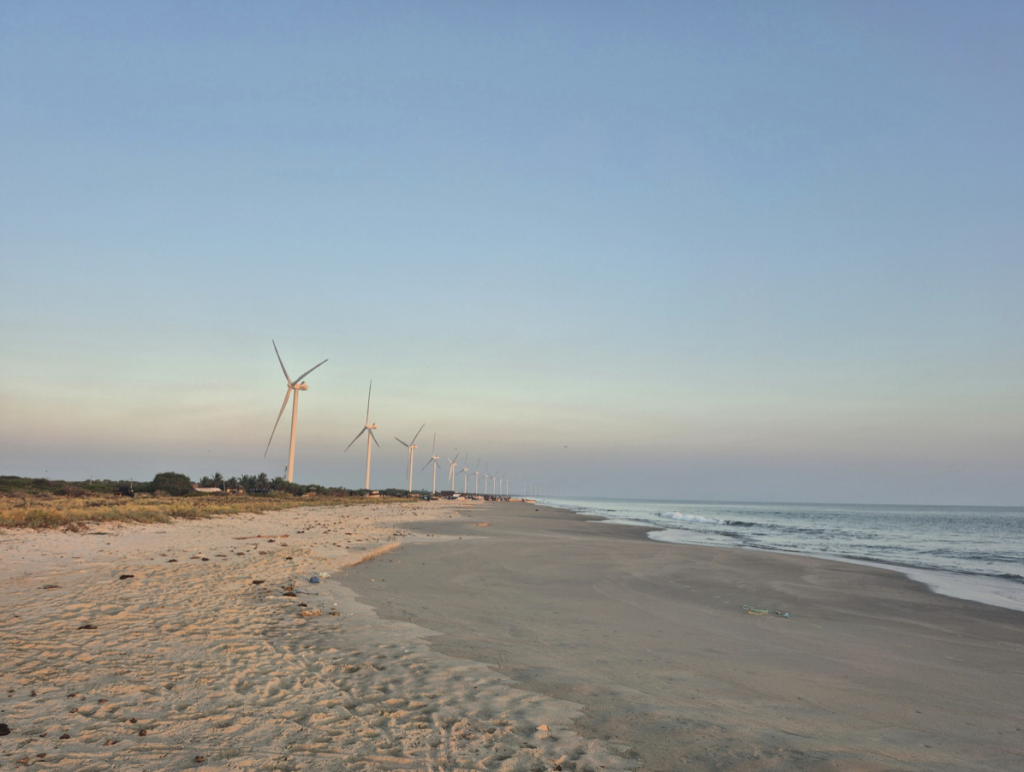
We then made our way to the famed Adam’s Bridge, also known as Rama’s Bridge—a stretch of limestone shoals reaching towards India, shown by satellite imagery and depicted in legend as a natural land bridge. While the island was very quaint, quiet, and charming, the growing presence of wind turbines across the landscape can feel visually intrusive, their towering forms interrupting the otherwise low, uninterrupted horizon.
Flamingos and other waterbirds
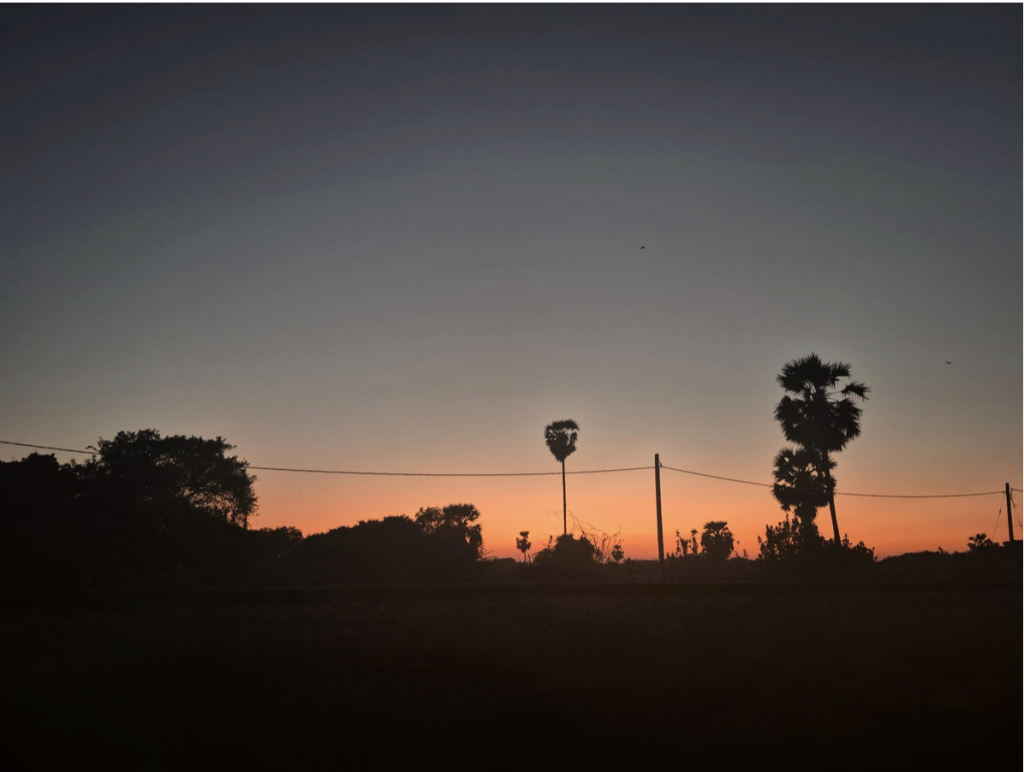
The next morning, we were up at 5 am (Grandma’s favorite hour😁) to observe some special visitors in the wetlands.
Mannar Island is ecologically significant as a seasonal haven for migratory birds, such as flamingos. Each year, large flocks of Greater Flamingo arrive from abroad, drawn in by the island’s shallow lagoons, mudflats, and rich feeding grounds that are filled with algae and small crustaceans. These calm, nutrient-rich waters make Mannar one of the most important bird habitats in Sri Lanka and along the Central Asian migratory flyway. The presence of flamingos and other waterbirds highlights the island’s role as a vital ecosystem, where coastal wetlands support both biodiversity and migratory life cycles.
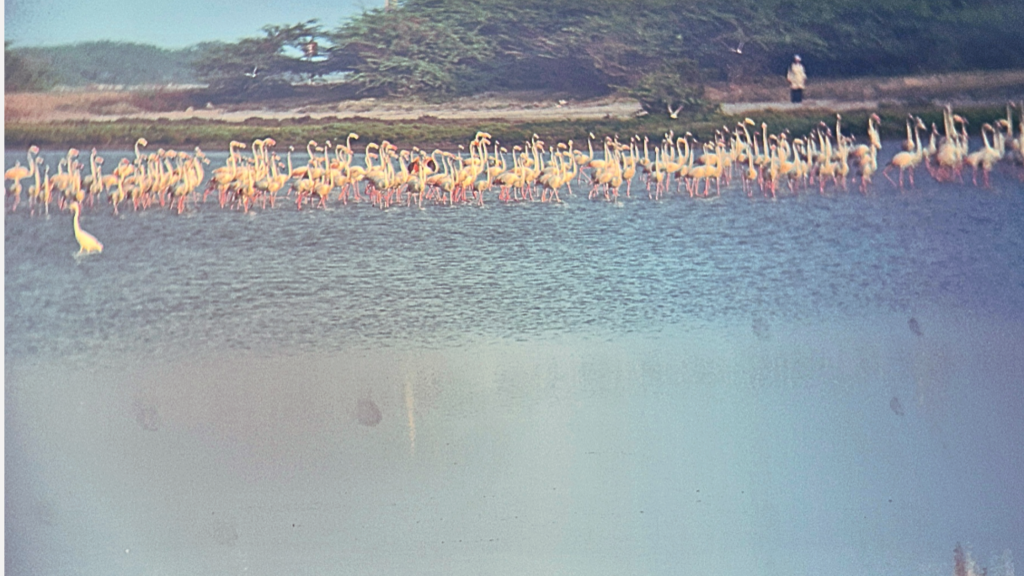
It was truly a privilege to observe these magnificent birds in their feeding grounds.
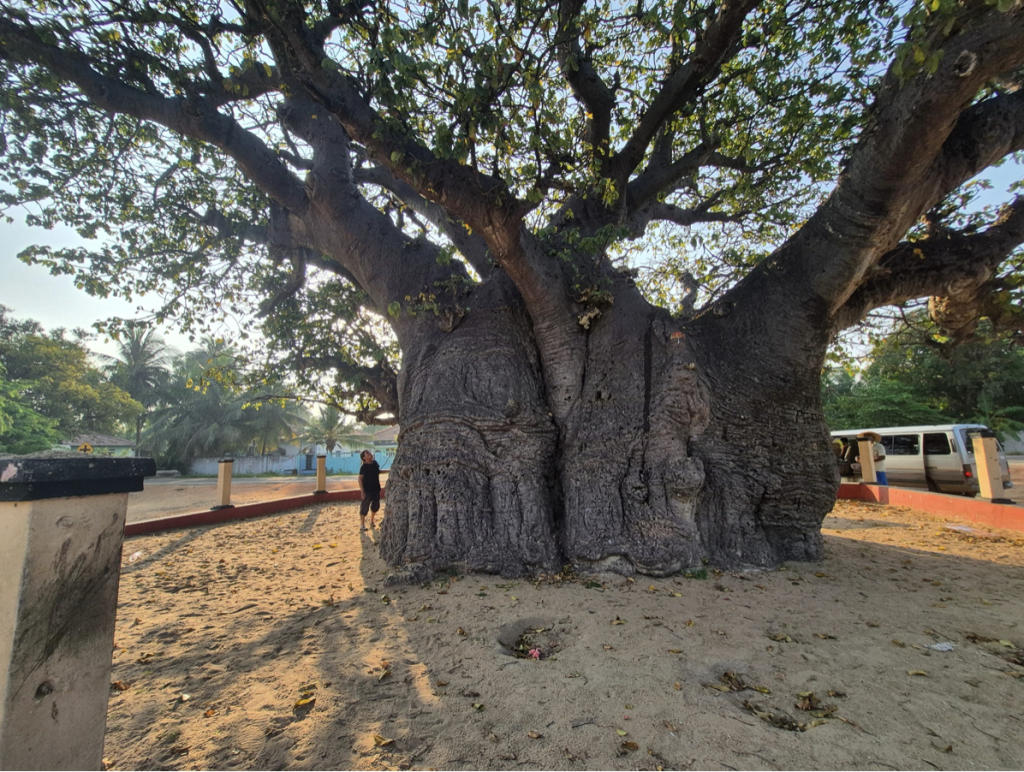
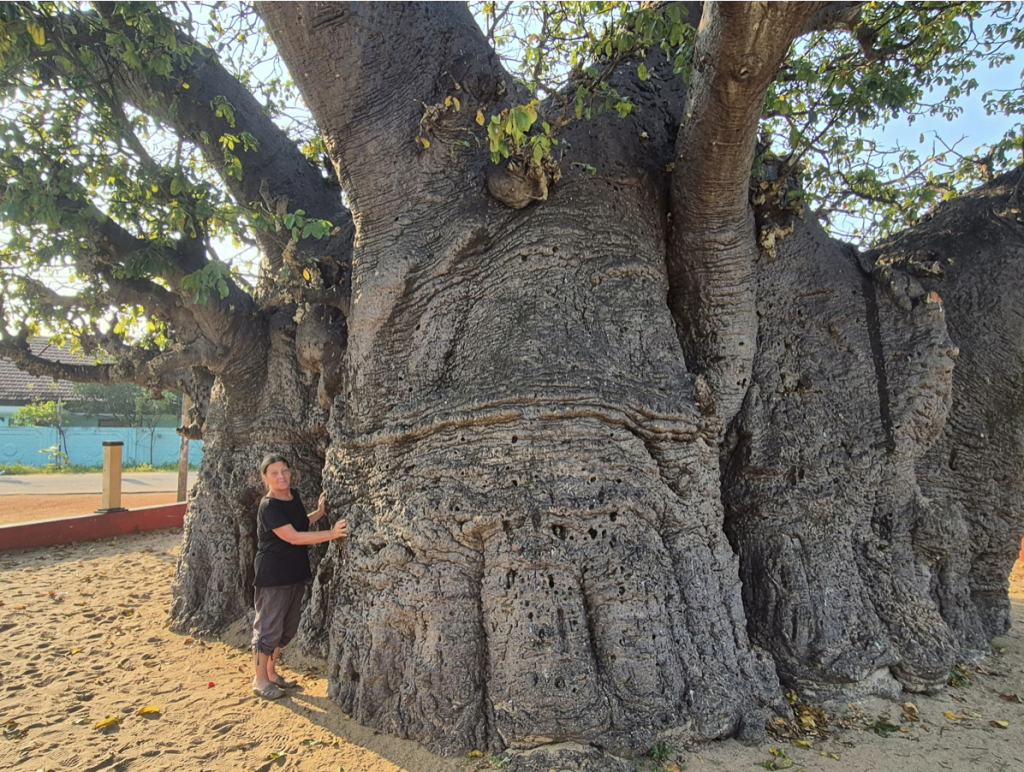
The Baobab Tree.
It is a massive, centuries-old tree, said to have been brought by Arab traders. With its gigantic trunk and sprawling form, it stands out against the landscape. The tree, along with the donkeys, serves as a living reminder of Mannar’s long history as a crossroads of trade and cultural exchange.
We would continue our journey down the western coast of Sri Lanka by bus, but to break down the journey, we spent another night in Anuradhapura.
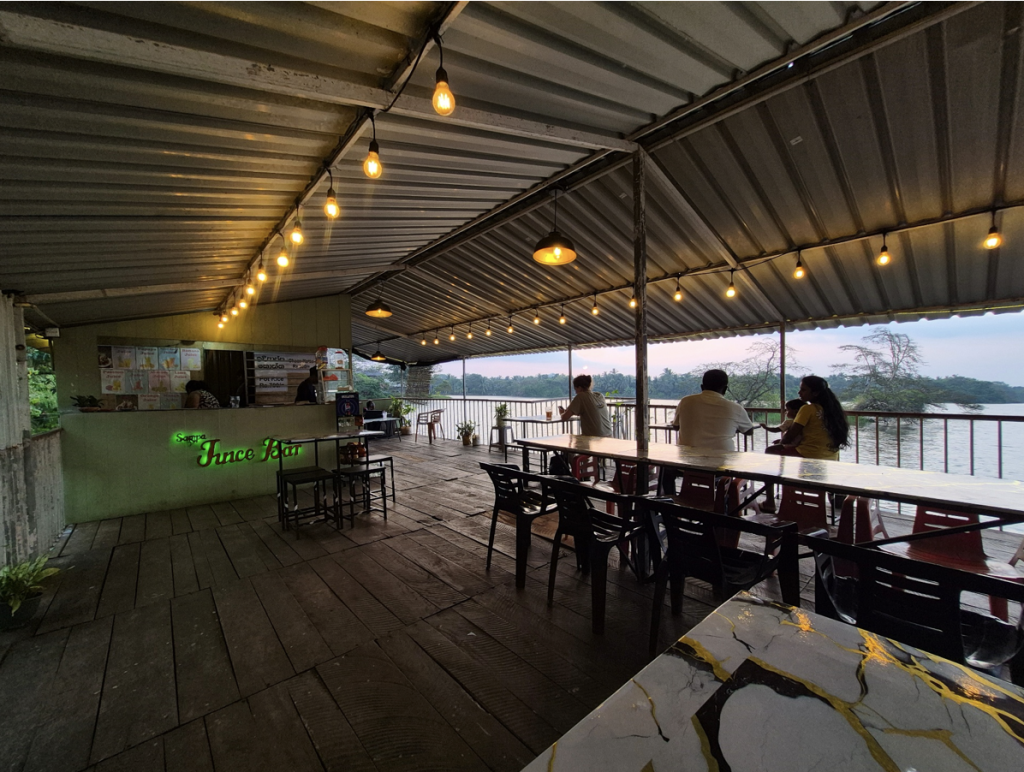
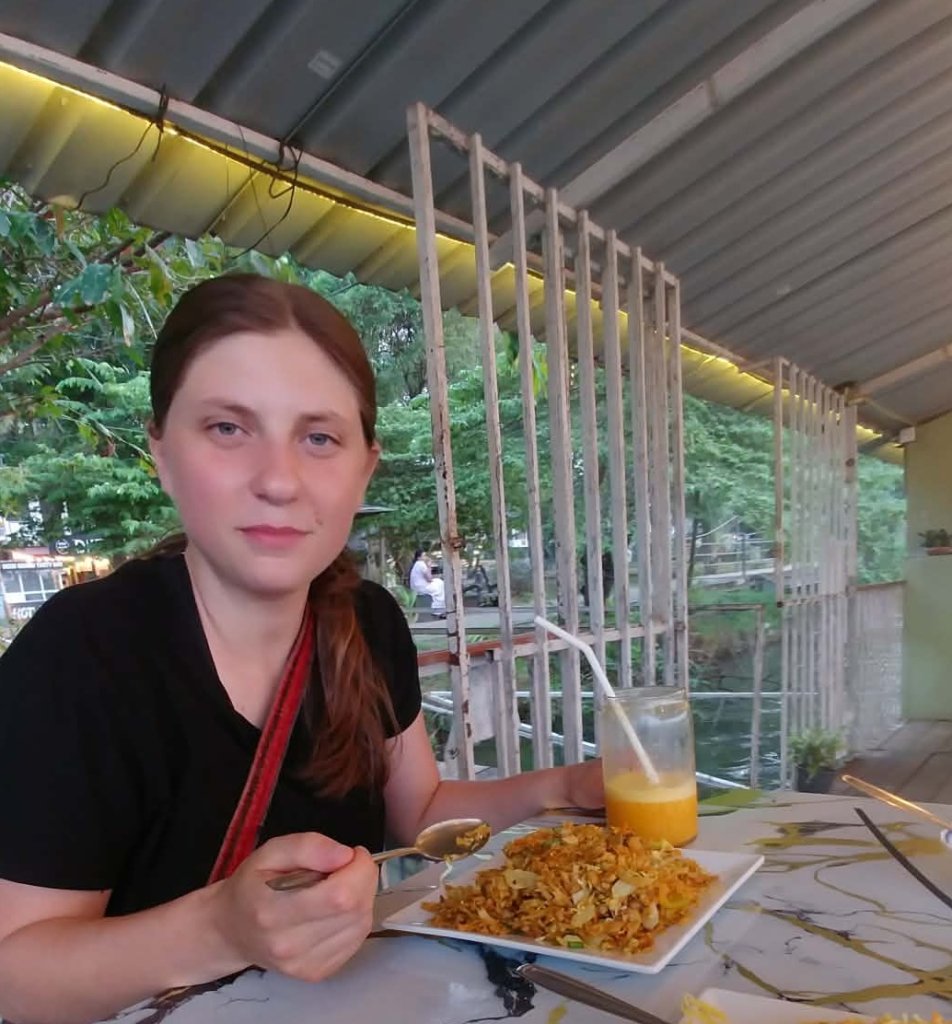
We enjoyed walking around the water tank once again. Also, we decided to have dinner at Sampath Juice Bar. Once again, I enjoyed my go-to Chicken kottu, and they also had delicious fresh juice.
The next morning, we departed for our next destination, Norochcholai, by bus.
See also Part One of the series





Leave A Comment